


Sales champion
A sales champion is a stakeholder inside a prospective customer's organization who wants a purchase to succeed, can influence the buying process, and takes action to move the decision forward. The person advocates for the case when the seller is not present.
A friendly contact is not automatically a champion. Interest, quick replies, and positive feedback are useful, but champion status depends on demonstrated influence, motivation, and buyer-side action. The champion may have access to the economic buyer, but does not need final budget authority.
Why a sales champion matters
Complex B2B decisions continue between vendor meetings. Stakeholders compare priorities, challenge assumptions, build a business case, and decide whether a change deserves attention. The seller cannot attend most of those conversations.
A credible champion can carry context into that room. They can explain the business problem, connect the proposed change to internal priorities, surface objections, and help the buying group agree on the next step. This becomes especially important when an account-based marketing strategy reaches several people with different incentives.
The champion also improves deal visibility. Their actions reveal whether the opportunity has internal energy or only vendor-side momentum.
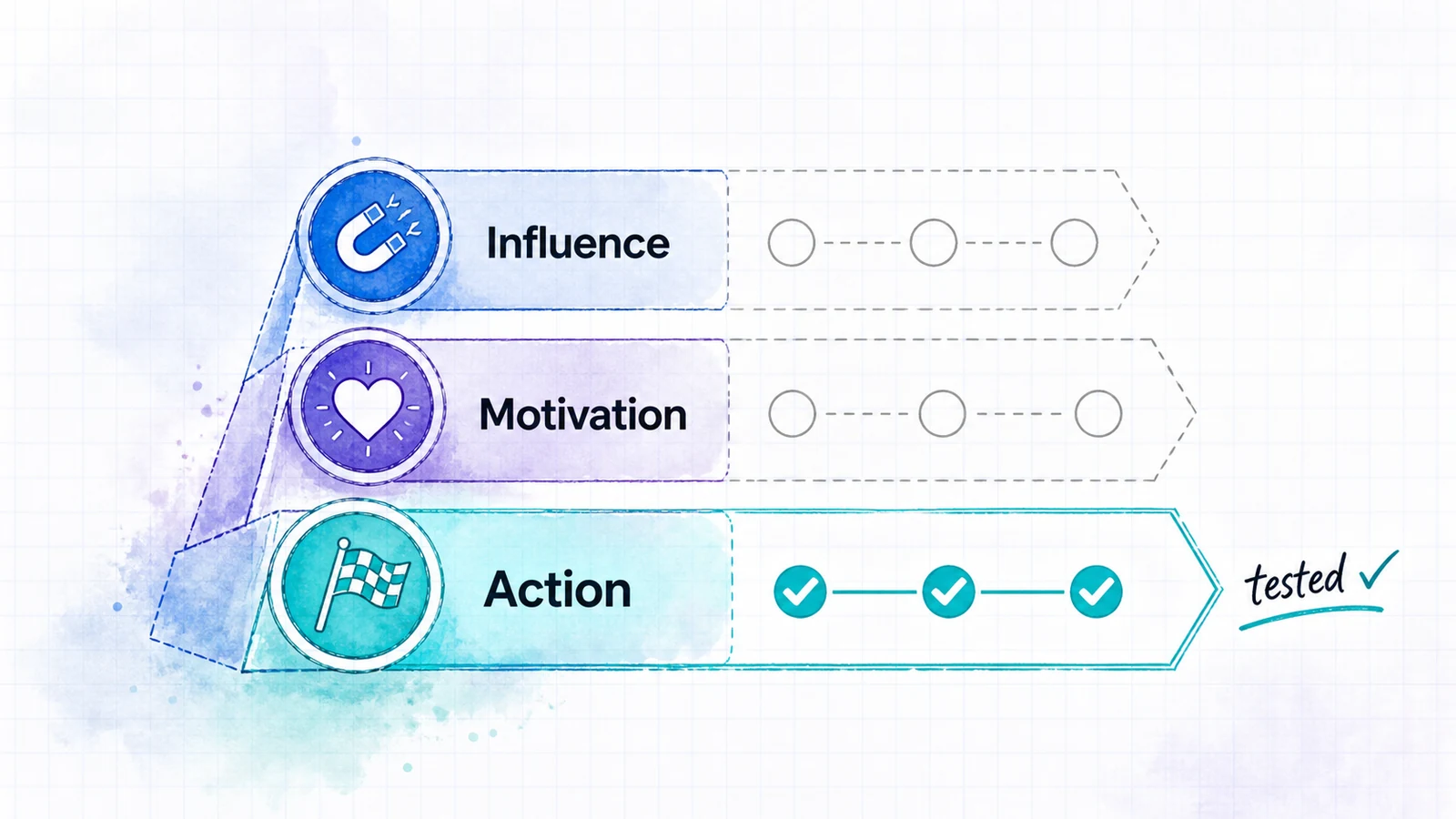
How a sales champion develops
Start with a candidate who feels the cost of the current problem and has credibility with the people affected by it. Understand what they need to change and why the outcome matters to them.
Then test the relationship with a bounded request. Ask for an introduction, a review of the internal decision process, or help validating the success criteria. A real champion does not agree to every request, but they can explain constraints and take useful action.
Equip the person with a concise case they can use internally. That may include the problem, expected business impact, implementation risk, and answers to likely objections. A mutual action plan can make the next commitments visible without turning the buyer into a project manager for the seller.
Champion strength can change. Recheck it as priorities, roles, or approval requirements shift. Continue multithreading the deal so one person's absence does not erase the entire account context.

SaaS example
An analytics vendor is selling to a mid-market software company. A revenue operations manager likes the product and attends every demo. That behavior makes the manager a promising contact, not yet a champion.
The manager becomes credible after introducing the seller to finance, sharing the actual approval sequence, and leading an internal review of the proposed data model. They also explain why the change supports a reporting commitment owned by the CRO. Those actions show access, influence, motivation, and commitment.
The seller still maintains direct relationships with finance and security. The champion carries the case internally, while the broader account plan reduces single-contact risk. The same discipline belongs in an outbound sales strategy once an initial conversation becomes a multi-stakeholder opportunity.
Common mistakes
The first mistake is promoting a friendly contact to champion in the CRM without testing any action.
The second is confusing title with influence. A senior stakeholder may control budget but have little interest in building consensus. A less senior operator may carry greater credibility with the people who evaluate the change.
The third is asking a champion to repeat a vendor pitch. Give them a business case that fits internal priorities and can survive scrutiny without you.
The practical standard is simple: qualify a champion through behavior. If the person cannot or will not affect the buying process, treat the relationship honestly and keep building account coverage.