


Demand capture
Demand capture is the set of marketing and sales actions that convert existing buyer intent into qualified conversations, opportunities, and revenue. It meets buyers who are already researching a problem, category, alternative, vendor, price, or next step.
It differs from demand creation. Creation helps a market recognize a problem and build preference before active evaluation. Capture helps an in-market buyer find a relevant path forward.
Why demand capture matters
Active buyers do not automatically become pipeline. They may search for a category, compare vendors, read reviews, visit a pricing page, ask a peer, or request a demo. The company still needs to appear in that path, provide useful proof, offer the right next step, and respond with context.
Within demand generation, capture tends to sit closer to a commercial outcome. Search pages, comparison content, review sites, partner referrals, retargeting, pricing pages, and direct inbound sales requests can all serve existing demand.
Capture has a ceiling. If few suitable buyers are actively evaluating the category, better conversion cannot create the missing awareness or urgency. A healthy motion needs both creation and capture.
How demand capture works
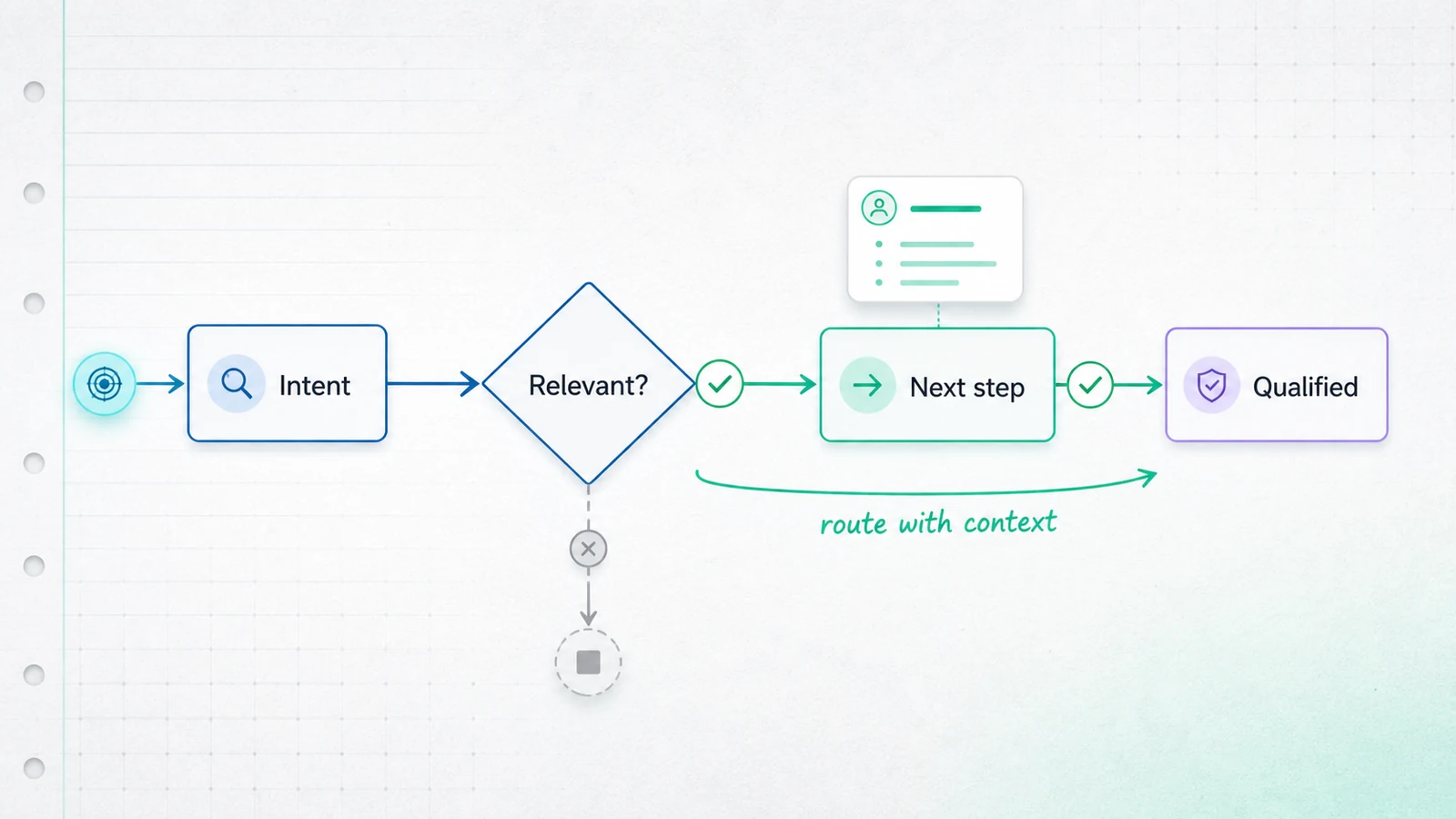
First, identify signals that may indicate active evaluation. These can include high-intent searches, repeated product research, category comparisons, pricing activity, demo requests, or direct questions. Intent data can add context, but one signal rarely proves purchase intent.
Second, match the signal with relevant proof. A buyer comparing products may need a clear alternative page. A pricing visitor may need packaging details. A technical evaluator may need security or implementation evidence.
Third, offer a next step that fits the buyer's readiness. That could be a trial, assessment, pricing conversation, product demo, or direct purchase. Forcing every visitor into the same form can lose useful intent.
Fourth, qualify and route the response. Lead scoring can organize fit and behavior, but the rules should preserve why the buyer acted. A strong handoff gives sales the account context, signal, content viewed, request, and timing.
The receiving owner should also know what remains uncertain. A high-intent action can justify a fast response without removing the need to confirm the problem, authority, timing, and commercial fit.

SaaS example
Imagine a security startup selling access reviews. A buyer searches for an alternative to a manual quarterly audit and lands on a comparison page.
The page explains the relevant difference, shows implementation evidence, and offers a technical assessment. The buyer submits a request, and the company confirms account fit and urgency before classifying the conversation as an SQL.
The search did not create the buyer's initial problem. The capture system made the company visible, credible, and easy to evaluate when intent already existed.
Common mistakes
One mistake is treating every engagement signal as buying intent. Students, competitors, existing customers, and early researchers can produce similar activity.
Another is optimizing only the form. Weak proof, unclear positioning, and slow follow-up can fail before or after submission.
A third is calling contact collection demand capture without qualification or a useful handoff.
Demand capture is not a channel list. It is the quality of the path between credible intent and a qualified next step.